
楚汉骄雄
总理轻微改组内阁,David Seymour将负责管理一项备受争议的法案_我的网站

一 | Sophie 编译 总理Christopher Luxon进行了轻微的内阁改组,宣布了对内阁目前职位和职责的一些补充。 国家党的Erica Stanford将负责之前未分配的皇家调查委员会对护理中的虐待行为的调查。
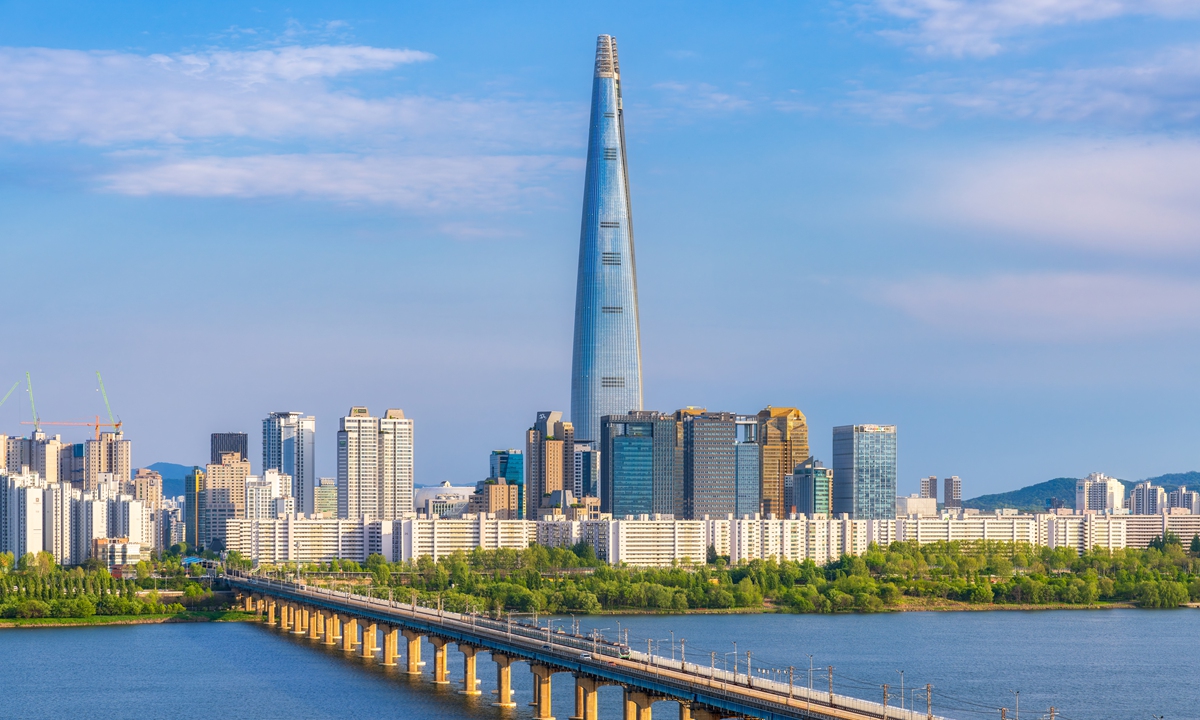
South Korea is grappling with scorching heat waves this summer, with temperatures soaring above 40 C in its capital city of Seoul for the first time since 2018. The extreme weather has dominated newspaper headlines lately, which has wreaked havoc on the people's health and agricultural production there.
For instance, with mass die-offs at the country's fish farms and catches declining, seafood prices are trending higher, according to South Korean media reports. Meanwhile, South Korean consumers' demand for cooling products is surging.
Against this backdrop, the unique strengths of China-South Korea economic and trade cooperation - characterized by flexible responses and regional short-chain supply arrangements - have been fully demonstrated.
Unlike countries in Europe and elsewhere in the West, or regions that rely on long-distance transportation, China and South Korea share geographical proximity and mature cross-border logistics system. Built through years of in-depth industrial collaboration, their circulation network drastically shortens supply chain routes and turnover cycles, delivering vital response in time of need.
Since the onset of the summer heat waves, a diverse array of Chinese-made goods - frozen beverages, portable handheld fans, pet cooling accessories and others - has flowed to the South Korean market. The rapid replenishment has provided relief to South Koreans grappling with soaring temperatures.
The "cool" trade that has blossomed between the two countries is fundamentally a story of mutual benefit and complementary strengths. While Chinese cooling supplies enter the South Korean market, Chinese consumers' demand for South Korean summer cosmetics and personal care products is heating up too. These two seemingly separate trade flows essentially reflect the deep-seated trade complementarity between the two neighbors.
Since the beginning of summer, "cool-feeling" cosmetics have become a shopping hit among Chinese consumers. Many South Korean products, featuring lightweight textures, durability and sweat-proof performance, have won growing market popularity.
The two-way trade flow is rooted in the alignment of the two countries' industrial structures and consumer needs, allowing both consumers to access what they require in the trade of "cool products" and achieve mutually beneficial outcomes.
The structural underpinnings of this synergy run deep. China's strength in agricultural production, cold‑chain infrastructure, and large‑scale manufacturing complements South Korea's prowess in beauty product research and development, good quality control and sophisticated brand operation. Most importantly, their geographical proximity allows such industrial complementarity to flourish.
From a broader perspective, global climate change seems to continue interfering with economic life in increasingly unpredictable ways. Caught in this dual pressure of escalating climate shock and global industrial restructuring, the significance of regional economic cooperation is being redefined. It is no longer limited to expanding market access and cutting operational costs; instead, it is deeply tied to safeguarding people's basic livelihoods in time of sudden unexpected disruptions.
The shortened transportation window brought by geographical proximity boosts the supply chain's response speed, enabling it to swiftly counter market volatility triggered by sudden emergencies.
The deep industrial integration that China and South Korea have nurtured over the past decades across sectors including electronics, beauty, agricultural products and cold-chain logistics has laid an exceptionally solid foundation for bilateral cooperation.
Currently, global supply chains are facing shocks from geopolitical conflicts, rising trade barriers as well as surging extreme weather patterns, leaving many long-distance global supply chains increasingly fragile and prone to sudden breakdowns.
The short-chain cooperation between China and South Korea has demonstrated that, in the era of growing uncertainties in the world, tapping deeper into regional industrial complementary advantages and building more stable and flexible cross-border industrial and supply chains is both an efficient choice to reduce circulation costs and a practical path to fend off risks to ensure industrial stability and protect people's livelihood.
。

二 | 她已经是教育和移民部长。

三 | Advertise with us 行动党党魁David Seymour将成为负责《(怀唐伊)条约原则法案》的副司法部长。

四 | 他保留了其他部长职务,包括监管部长和财政、卫生(Pharmac)和教育(合作学校)副部长的职务。

五 | 优先党的Mark Patterson在农村社区部长和农业副部长外,增加了区域发展副部长一职。

六 | 优先党的Jenny Marcroft担任媒体和公关部长助理,现在还将成为海洋和渔业部长助理。 Luxon说,这次改组“在少数领域进一步明确了部长们的责任,支持他们继续履行政府雄心勃勃的工作计划”。 “自从两个月前部长们宣誓就职以来,他们已经开始着手工作,在联合政府的百日计划上取得了巨大进展。” 这些新职位都不会影响内阁的组成或行政机构的规模。 Seymour的新职责 Seymour将成为司法部副部长,负责管理拟议的《(怀唐伊)条约原则法案》。此前,Paul Goldsmith作为司法部长负责对该法案的计划发表言论。 此举将使Seymour更多地参与这一备受争议的法案,该法案基于行动党的一项提案,旨在辩论和定义《怀唐伊条约》的原则。Seymour说,现在是新西兰人讨论这个问题的时候了,而不是让法官和官僚们根据他们自己的解释来处理。

七 | 上周泄露的一份文件披露了拟议的原则,并成为上周六毛利国王召集的大会和本周三举行的Rātana会议的主要话题。

八 | 虽然引入该法案并将其提交给特别委员会是国家党-行动党联合协议的一部分,但国家党并没有承诺进一步支持该法案(尽管它也没有排除这种可能性)。 作为总理,Luxon不得不为引入这项立法辩护,尽管就在本周早些时候,他还称该提案“分裂和无益”。他明确表示,引入该法案是国家党在去年联合政府谈判中做出的妥协。 相关阅读: 毛利国王召集的全国大会明天将举行,总理确认不会参加 三党联合政府里的内阁部长由哪些人担任?完整名单来了…… 新西兰国会历史上第一个三党联合政府诞生!首次由两人共同担任副总理! 注:本文为编译/原创,欢迎转发分享;但严禁复制等未经授权的非法使用。违反上述声明者,本网将追究其相关法律责任。使用授权请联系[email protected]。 chineseherald.co.nz All Rights Reserved 版权所有 (责编:Sophie) 相关内容 AT去年刚建的人行横道被拆除,奥克兰纳税人的钱就这么糟践?! 政府开始削减经费,这个部门率先裁撤40个职位 “毫无逻辑!”政府取消将地方选举投票年龄降至16岁的计划 奥克兰夜间发生暴力入室抢劫案,4名持枪罪犯逃窜100公里后在北地被捕 2023年新西兰进行了300多万次呼气测试,酒驾最严重的是…… 这个奥克兰日长周末,来自澳大利亚的飓风将影响北岛的天气 国防部长Judith Collins办公室被泼红漆 因政府决定这件事 今天凌晨,北岛发生5.2级强烈地震和一系列余震,可能还会有余震。
Current article:http://lbygue4.banhuannunuluchuaiguangenru.sbs/list_vypi/ts3.html
Published on:02:00:10